Bygg et styringssystem du elsker
av Morten Helgaland, Styreleder
Elsker du styringssystemet ditt?
Gleder du deg til å se det igjen? Blir forholdet bedre av å være fra hverandre i noen dager?
Ikke det nei? Det overrasker ikke. Du går glipp av noe da. Vi unner alle å se hvordan alt henger sammen med alt. Å se hvordan informasjonen flyter fritt, hvordan oppgavene danser mellom sjekklistene og hvordan motstanden gradvis forsvinner.
I dårlige forhold er styringssystemet det stedet gode idéer går for å dø. Du blir nedbrutt og orker ikke å foreslå noe. -Han sier bare nei uansett. Du vil bare ligge på sofaen og helst ikke gjøre noe nytt.
I gode forhold, innfører styringssystemet struktur der det trengs. Det verner om kreativiteten der det behøves. Det skaper trygge rom der det ikke er lov å si nei eller men eller aldri. Der kontroll kommer etterpå og idéskapning kommer først.

Også verdikjeden da. Den kjære verdikjeden. Verdikjeden er hjertet i bedriften. Det vi egentlig holder på med. Det vi egentlig bryr oss om og skal levere. Verdikjeden er ledestjernen din, det som holder deg på stø kurs i brokete farvann og ulendt terreng.
Verdikjeden er det som gjør at du forstår hvorfor du skal holde på med innkjøpsprosesser, budsjettprosesser og ledelsens gjennomgang. Det som gjør at du klarer å skape verdier for kundene, selv når møtet handler om hvorvidt vi egentlig innfrir alle kravene i maskinforskriften. Det som gjør møter om utstyr til de ansatte om til et møte om kundetilfredshet.
Kvalitetsfaget har hatt kontroll og styringssystemet for lenge. Styringsystemet er et viktig verktøy for deg som daglig leder for å motivere og samle troppene. Det er forretningen din - det er ikke noe du kan delegere til andre. Det er organisasjonens digitale tvilling
ISO sertifiseringen er ikke målet, en effektiv og produktiv arbeidshverdag er målet.
Å bygge et styringssystem du elsker betyr å bygge det gjennom en 4 til 5 distinkte deler. Det er ikke et innkjøp eller en oppgave å delegere. Det er ditt ansvar.
Hva er egentlig et styringsystem
Mange norske definisjoner av styringssystem kommer fra en lov eller en forskrift. Ett eksempel er fra Forskrift om ledelse og kvalitetsforbedring i helse- og omsorgssektoren
I denne forskriften betyr styringssystem for helse- og omsorgstjenesten den del av virksomhetens styring som omfatter hvordan virksomhetens aktiviteter planlegges, gjennomføres, evalueres og korrigeres i samsvar med krav fastsatt i eller i medhold av helse- og omsorgslovgivningen
Vi påstar at for mange styringssystem har tatt stor inspirasjon herfra og konsentrerer seg om å beskrive hvordan og hvorvidt noe gjøres i samsvar med krav og lovgivning. Det er dette vi prøver å dreie til noe mer proaktivt, positivt og verdiskapende. Sintef sin oppsummering av hva deres styringssystem skal være, er litt mer i vår ånd
Ledelsessystemet består av politikker, prosesser og krav som støtter oss i å: - gjennomføre oppgavene sikkert og effektivt. - nå våre mål og skape gode resultater.
Det kan også være til nytte å definere hva et styringssystem ikke er. Det er ikke nødvendigvis en programvare. Det bør ikke være en bibel vi ansatte kan slå hverandre i hodet med. Det bør ikke være et sted der en får svaret på alt om bedriften Men, vi går videre med at et styringssystem er en samling av politikker, prosesser og krav som foreslått av Sintef. Prosesser er som kjent en samling av arbeidsoppgaver satt i system. Disse må også ha med en beskrivelse av rollene som utfører oppgavene. Prosessene kommer også i forskjellige varianter som vi allerede har snakket om. I de neste seksjonene blir de forskjellige delene av et styringssystem beskrevet i detalj. Det er også vår påstand at resultatet av disse politikkene, kravene, prosessene og rollene må være med i systemet. At vi klarer å gjennomføre oppgavene sikkert og effektivt og at de hjelper oss å nå våre mål og skape gode resultater. En diskusjon av disse resultatene følger derfor etter vår beskrivelse av bestanddelene. Men nå har det blitt tørt nok. Vi skal jo tross alt lage et styringssystem vi elsker, ikke bare liker eller aksepterer!
Ledelsesprosesser
Det enkleste er å begynne å snakke om ledelsesprosessene. De kommer som regel først og anses vanligvis som de som bestemmer i en bedrift. Det er her man fordeler penger, definerer ansvarsområder og setter strategi. Ledelsens gjennomgang er her og det samme er beslutningsprosessene.
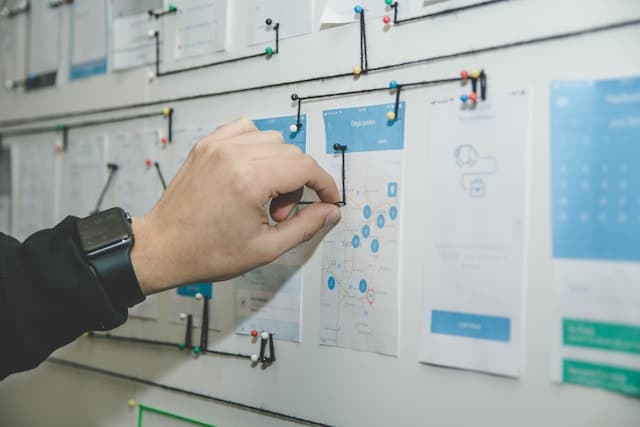
Men i et styringssystem du elsker så kommer ikke disse først. Fordi disse ikke skal bestemme alt lengre. Det er verdikjeden som bestemmer. Ledelsesprosessene må følge etter og lage en styringsstruktur som lar verdikjeden blomstre.
Dette er det mest sentrale punktet i vårt styringssystem. Du designer dine ledelsesprosesser for å gjøre verdikjeden din mest mulig fornuftig!
Hvis du selger et produkt du kan gjøre raske iterasjoner på - uten langvarig testing, må du designe raske og effektive beslutningsprosesser. Hvis kvalitetssikring er i høysetet og du sjelden eller aldri gjør endringer er det kanskje riktig å ha trege beslutningsprosesser. Prosesser som krever at organisasjonen bruker mer tid på dokumentasjon. Samme vurderinger kan du gjøre rundt markedssituasjonen du befinner deg i, hvilket regulatorisk rammeverk du er underlagt og hvilken livsfase selskapet er i.
Om markedet endrer seg sakte, det tar tid å gjøre kursendringer og investorene krever stor grad av forutsigbarhet så skal kanskje budsjettprosessene strekke seg over flere år med bare årlige revisjoner. Skal du lansere til et marked som ikke finnes enda og alt er i endring så kan det være at du skal gå for en nobudget modell. Hvilken skole du skal velge kommer altså helt an på din verdikjede, ditt marked og din bedrift. Fordi om du skal lage et styringssystem så må ikke prosessene være omfattende, tunge og kompliserte. De kan fint være lettbente og tilpassede og allikevel innfri alle krav og reguleringer.
Og apropos lover og regler. De tingene har en egen seksjon i dette systemet som vi beskriver om litt. Relevante lover og regler, forskrifter, policies og andre overordnede dokumenter hører til den delen av styringssystemet. Hvordan du innfrir dem kommer gjerne i verdikjeden, og det er da du gjør dem om til konkurransefortrinn! Ikke la den sjansen gå fra deg nå.
Internrevisjon hører også til her blant ledelsesprosessene, sammen med ledelsens gjennomgang. Dette som før har vært et ork, en pålagt oppgave som noen andre maser om at du må gjøre - skal nå bli noe du ser frem til. En mulighet for refleksjon og forbedring, en mulighet for vekst. Rett ved siden av finner du kanskje prosjektporteføljestyring og forvaltning av kapitalstrategi. Det velger du selv.
Hvis verdikjeden din kan innebære risiko for skade på liv og helse samt ytre miljø må du som regel ta de interne HMS prosessene inn her også. Disse prosessene er da så førende og tilpasset din virksomhet at de ikke kan settes inn i støtteprosessene som ofte ikke bør være spesialtilpasset for din virksomhet.
Støtteprosesser
Der ledelsesprosessene nesten alltid anses som å være viktigst så kommer støtteprosessene inn som underdog. Det er vår påstand at støtteprosesser skal være ydmyke døråpnere. De skal holde døren åpen for dem som vil igjennom for å få noe gjort. Samtidig så kan de være forsiktige kontrollfunksjoner. De kan ikke slippe inn hvem som helst må vite, men avvise med et forklarende smil. -Ta deg en runde rundt nullen og kom tilbake igjen etter en kaffekopp.
Blant støtteprosessene finner du også alle hygienefaktorene i et selskap. Alt som bare må være på plass men som ikke kvalifiserer som et konkurransefortrinn. Alt som alle forventer at fungerer og de færreste bryr seg om før det ikke virker. Lønnskjøring for eksempel. Eller renhold av kontorene.
Støtteprosessene er de som ofte er like fra selskap til selskap. Fra organisasjon til organisasjon. Her bør du velge og vrake mellom forskjellige rammeverk som passer deg best. ITIL for IT Drift. Prince2 for prosjektgjennomføring. NO GAAP eller IFRS for regnskapsføring. Det er ikke her du bruker hele organisasjonens tid på å lage prosesser. Du kan med fordel kjøpe deg fri.
Det er dog her du må passe på å ikke få for mange småkonger og for mange kontrollfunksjoner. Det er ofte her sjekklistene begynner å formere seg. Det er fristende å beskrive enda noen flere detaljer, å legge inn noen ekstra kontrollsteg og å bare ha en veldig enkel liten sjekkliste. Det er her funksjoner begynner å bevege seg fra å være døråpnere til å bli utkastere. Fra å tjene verdikjeden til å begynne å kontrollere den.
Dette må du ikke la skje. Det er nesten like viktig som å la verdikjeden styre designet av ledelsesprosessene. Et triks kan faktisk være å ikke beskrive enkelte av prosessene. Legal kan bare stå som en boks, uten innhold. Å beskrive alle facility management prosessene for et selskap med kun ett kontor gir sjelden merverdi for selskapet og stegene i dem gjøres ofte bare av noen ytterst få mennesker allikevel. Da kan de bare plasseres blant støtteprosessene som en ubeskrevet boks, trygt plassert og dens rolle synliggjort - uten at den får ta over styringen av ting den ikke skal styre.
Regnskapsføring bør kanskje derimot utbroderes litt. Her er ofte flere parter i flere forskjellige avdelinger involvert. En avdeling konterer kanskje regningen uten å forstå at analyseavdelingen benytter seg av kontostrengen for å bygge produktregnskap. Da kan en prosesstegning være til stor nytte og gi store gevinster. Det samme gjelder personalrelaterte prosesser der ansatte gjerne ønsker å forstå hvordan medarbeidersamtalen henger sammen med medarbeiderundersøkelsen. Hvorfor bedriften velger å kjøre jevnlige 1:1 samtaler og hva som egentlig skjer med forslagene som sendes til forslagskassen.
I denne delen av styringssystemet kommer ofte HMS og kvalitetsprosessene inn, og det samme gjør gjerne innkjøpsprosessene. Alt sammen kommer inn her for å gjøre verdikjeden mest mulig slagkraftig og velfungerende. For å legge til rette for det vi egentlig holder på med, det som skaper verdier og det som fyller formålet bedriften har. Vår alles kjære Verdikjede!
Verdikjeden
Så kommer vi endelig til verdikjeden, til gullet ditt. Det du egentlig holder på med. Det som skaper verdi for målgruppen din. Denne kopierer du ikke av andre. Det er denne som gjør deg unik, det er denne som lager det du skal selge og det er denne som styrer kundedialogen din.
Her må du designe med nennsom hånd. Noen steg krever en lett hånd, et usynlig touch og svært begrensete struktur. Kreativiteten skal blomstre og friheten skal være stor.
Andre steg krever kompliserte strukturer for sikre kvaliteten, kundetilfredsheten og ditt gode navn og rykte.
Noen steg må sette nysgjerrighet og ydmykhet i system for å sikre at kunden blir hørt i en travel hverdag - mens andre må sette grenser slik at du faktisk tjener penger.
Hvis det er ett sted du skal involvere alle så er det her. Hvis det er ett steg du skal bruke mange iterasjoner på for å komme til versjon 0.9 så er det dette.
Det er her du finner kjærligheten.
De fleste verdikjeder begynner med å fange eller generere en idé, et behov eller en mulighet. Noen må forestille seg noe som de enten vil ha selv - eller tror andre vil ha. Det å definere den rette inngangen vil ofte være forløsende for deg som har startet en bedrift. Ikke fordi du kommer til å komme på noe revolusjonerende nytt, men fordi noe som har vært litt ullent blir krystallklart. For de aller fleste vil dette området være en begynnelse på en trakt. Et område med lite struktur og mye frihet.
Det du må ha struktur på er datafangsten. Det er her du legger grunnlaget for å bli en datadrevet bedrift. Det er her ting må unnfanges i et IT system. CRM eller ERP. Idéfangst eller Ticketing system. Du må bare sørge for at det blir registrert og fulgt opp et sted. For hvert steg som går blir det stadig vanskeligere å gjøre den første registreringen og det vil bli stadig færre registreringer.
Det neste steget vil ofte variere en del mellom selskaper. Noen vil gå rett i gang med å lage noe, mens andre vil gjennom noen utredninger og prioriteringer. Fellestrekket er vel at det er ca her selskapene føler de går fra ord til handling. Det er nå det begynner å skje noe.
I vel gjennomtenkte verdikjeder vil det ofte være cirka her en begynner å tenke på driften. Hvordan skal dette kunne vedlikeholdes og repareres. Hvordan skal det dokumenteres og attesteres. Hvordan skal kundeservice læres opp og hvordan skal kundene få hjelp. Ofte så kan man trekke på støtteprosesser her. I verdikjeden så holder vi fokuset på det som skaper verdi til slutt.
Etterhvert som tiden går så begynner en å nærme seg noe som kan selges. For tidligfaseselskaper så bør dette som oftest komme tidligere enn gründeren er komfortabel med. For kvartalsstyrte selskaper så er det vel ofte motsatt. Hva som er riktig for dere er det bare du som vet. Uansett så går en nå inn i salgsprosessen. Salg er nemlig bare en prosess det også. Et sett med forhåndsdefinerte aktiviteter som vil lede til et resultat. Et ja eller et nei. Et kanskje eller et ring om en måned. Uansett så er det tvingende nødvendig å bygge denne prosessen slik at den passer ditt produkt, dine kunder og ditt marked. Også her må du huske å bygge prosessen slik at den tvinger inn datastøtte fra første øyeblikk. Det er her du legger grunnlaget for en magisk CRM som ikke bare er noe selgerne ser på som et ork å etterregistrere i.
Etterpå kommer den prosessen som det oftest er vanskeligst å tegne. Kundeservice. Ettersalg. Det er kanskje den viktigste prosessen som er lettest å utsette - men det er denne som holder liv i deg i mange mange år. Det er denne som sikrer deg Net Retained Revenue og det er denne som sparer deg for uforberedte kostnader.
Det er denne prosessen som forer det første steget med nye perspektiver hele tiden. Det er denne som sikrer at kundene blir fornøyde og at produktet blir videreutviklet. At de første kreative prosessene får noe å jobbe med. Noe å skape verdi utav.
Nå har du beskrevet gullet ditt. Maskineriet ditt. Tannhjulene som ubønnhørlig kverner idéene dine til suksess. Dataene som lar deg forstå hva som skjer.
Men noen må betjene dette maskineriet.
Roller og sånt
En prosess er et sett med oppgaver satt i system. En kontrollert og strukturert kjedereaksjon. Noe av det skjer helt uten manuell innblanding, men for majoriteten av oppgavene så må folk vite hva de skal gjøre og hvem som gjør de andre stegene. Dette er det du har roller til.
Oppgavene som står i styringssystemet at skal gjøres blir utført av roller - og det er de ansatte som bekler disse rollene. Det er den mentale modellen som har vist seg å være den raskeste måten å forklare dette konseptet på. Én ansatt kan ha mange roller, alt etter kompetanse og kapasitet. Det er sjelden rollene står i stillingsannonsen da en stilling gjerne er en kombinasjon av roller.
Stillinger rapporterer til ledere og er en struktur som går på tvers av verdikjeden. Roller rapporterer til prosess-eier og følger verdikjeden. Når en oppgave er beskrevet i en prosess og følger prosessens innebygde prioriteringsmekanismer skal ikke den ansatte som fyller rollen spørre leder om lov til å gjøre oppgaven.
Dette er et sentralt punkt i å bygge et styringssystem du elsker. Det er en måte å bygge ned småkonger i organisasjonen din, en måte å sikre verdidrevne prioriteringer og å unngå maktkamper mellom avdelingsledere.
Det er essensielt å ikke gjøre dette for komplisert for tidlig - men det er nødvendig å forstå og hensynta prinsippet. Et sted mellom 15 og 25 ansatte så tvinger denne diskusjonen seg ubønnhørlig frem.
Politikker og krav
Den siste bestanddelen er politikker og krav.
Politikker er grunnlovene til firmaet. Hvem vi er, hvordan vi oppfører oss og slikt, på et helt overordnet nivå. Som alltid med grunnlover setter disse tonen for hvordan resten av styringssystemet ser ut og oppfører seg. Hvordan en jobber med HMS er et eksempel, et annet er hvordan en forholder seg til personvern. Som regel er disse dokumentene bare en 3-4 avsnitt lange og de er signert av øverste myndighet i selskapet. De avgir så makt og myndighet til resten av styringssystemet for å sette detaljene
For et større firma med stor kompleksitet og flere mennesker som arbeider med en av detaljene i styringssystemet så er dette viktig. Da har en en måte å sikre at alt henger noenlunde sammen på og en har et styrende dokument å falle tilbake på hvis en er i tvil om hva en bør lage eller hvis to tilstøtende områder er i konflikt med hverandre.
For yngre firma, mindre komplekse firma, er det min påstand at politikk leddet er helt unødvendig og fullstendig overflødig. Noen vil påstå at da mister hele styringssystemet sin legitimitet og at at det hele logisk sett ikke henger sammen. Da sier jeg at dette er en logisk brist en bare må akseptere. Dropp alle politikkene og engasjer deg helhjertet i utformingen av prosessene.
Krav er litt verre å droppe. Den må være med for alle, alltid. Men ikke alle trenger å gjøre like mye utav den. Større internasjonale selskaper har gjerne regler fra hovedkontoret med her. Andre velger å ta med ISO standarder eller andre viktige bransjestandarder. Alle må ta med lovkrav. For de yngste selskapene så er det igjen min påstand å holde dette enkelt. Ta med lovkravene som er spesifikke for din bransje og din virksomhet. Resten blir reflektert i styringssystemet uansett.
For å lage et styringssystem du elsker må du være obs på å ikke la denne delen ese ut. Det er altfor ofte denne som blir førende, helt uten at det er nødvendig. Da går styringssystemet for fra å være verdiskapende og positivt, til å være kontrollerende regelrytteri og en utgiftspost. Fra å være et system du elsker til et du har lyst til å slå opp med.
Relasjoner
Frem til nå har vi nemlig beskrevet tannhjulene i maskinen din og folkene som betjener den. Vi har til og med beskrevet vedlikeholdsrutinene (ledelsens gjennomgang blant annet), hvordan du styrer maskinen samt hva som må være på plass for å få den til å fungere.
Det vi ikke har beskrevet er oljen som smører maskineriet. Relasjonene mellom folkene dine, relasjonen til kundene, leverandørene og myndighetene.
Vi har beskrevet hvem som skal ringe til hvem når noe er feil. Hvem som skal feilmelde til hvem og hvem som eskalere når. Dette er viktig og riktig å ha med. Men det kommer ikke til å fungere uten at relasjonene er på plass. Styringssystemet er ikke en unnskyldning for å ikke snakke med kunden. HR prosessene er ikke en unnskyldning for å ikke snakke med ansatte utenom de planlagte 1:1 og medarbeidersamtalene. Innkjøpsprosessene må ikke holde deg fra å prate med leverandørene på messer, samlinger og kundekvelder.
Om noe så er et velfungerende styringssystem en tilrettelegger for å bruke mer tid på relasjoner! Å bruke mer tid på å snakke sammen og finne nye muligheter, nye tanker og nye idéer. Å bygge bånd som gjør det vanskeligere å skille lag når tidene blir vanskelige, når leveransen er under press og en har mest lyst til å skylde på hverandre.
Et velfungerende styringssystem som du elsker blir en positiv spiral som både sørger for at relasjonen går knirkefritt samt å gjøre det mulig å bygge tettere bånd som igjen styrker relasjonen.
I praksis
Men hvordan gjør vi dette i praksis da? Jeg har ikke ett svar på det - fordi det å finne en praktisk løsning er en del av reisen du må igjennom. Det skal passe til deg og dere. Det skal passe budsjettet og kompetansen deres. Det skal passe arbeidshverdagen deres.
Noen bransjer har bransjeløsninger for det meste, andre foretrekker Visio tegninger. De store bruker gjerne et fullskala Enterprise Architecture verktøy mens de små har bestemt seg for at det skal de iallfall ikke ha.
Den vanligste feilen vi ser er at det gjøres for komplisert for tidlig, eller ignoreres for lenge. Vi har rådgitt flere selskaper i flere forskjellige faser og har gjort oss noen erfaringer.
Hvis selskapene i løpet av prosessen med å selge inn konseptet ikke har kommet frem til noe på egen hånd er vår anbefaling å starte med Visio tegninger - og bruke BPMN figurer samt å lagre filene i BPMN format. Business Process Modelling Notation er et universelt format for akkurat dette formålet som kan gjenbrukes i flere andre verktøy. Da er sjansen stor for at du kan gjenbruke tegningene direkte i det verktøyet du ender opp med å bruke. Det bereder også grunnen til å automatisere prosessene en gang i fremtiden gjennom standard RPA verktøy.
Vårt råd til de tidligste er å bare ha én tegning på øverste nivå. Å etablere den tegningen gjør det så uendelig mye enklere å forklare bedriften din til andre. Den gjør det enklere for grunnleggeren å forstå hva som er viktigst å bruke tiden på tidligst og hvem som påvirker hvilken verdi som skapes i selskapet. Ikke bruk tiden på politikker eller roller. Det kommer senere. Finn ut hvilke lovkrav som gjelder for deg, tegn verdikjeden din og la det være det. Print ut tegningen og heng den på veggen. Det er alt du trenger.
Når selskapet har 3-10 ansatte så må bør en bruke litt mer tid på roller og ledelsesprosesser så mye de ansatte ikke går i veien for hverandre. Det kan også være nyttig å tegne beslutningsprosessen for å unngå at styret blir den egentlige ledergruppen. Støtteprosessene er det gjerne daglig leder og en til som håndterer i praksis uansett og hvordan du håndterer dem er i stadig endring.
En gang ikke så lenge etter 10 ansatte så begynner det å bli på tide å gjøre dette litt grundigere. Da ansetter du ikke lengre bare generalister som er interessert i alt bedriften holder på med. Du har kanskje ikke tid til å personlig onboarde alle ansatte like grundig lengre og trenger materiale de kan ha som selvstudium. Det er nå du begynner å tegne prosessene i litt større detalj enn før. Med litt mer korrekt rollefordeling enn før. Det er kanskje nå de første politikkene kommer.
Vårt råd til de som har kommet lengst er gjerne å modellere hele bedriften i et enterprise architecture verktøy eller et RPA verktøy som Camunda. Har du gjort det riktig tidligere så kan du gjenbruke tegningene dine i disse.
Nytteverdi
Men hva nå da? Nå har jeg laget et styringssystem jeg elsker, hva får jeg utav denne investeringen da?
Det frister litt å si at reisen er målet. Og til en viss grad er den det. Bare gjennom det å lage et konstruktivt og verdiskapende styringssystem så kommer du til å se positive ringvirkninger for selskapet. Flere kommer til å forstå helheten. Flere kommer til å se sin rolle i det store bildet. Flere kommer til å se hvordan det de gjør påvirker andre, på godt og vondt. Flere kommer til å forstå hvordan beslutninger fattes og hvorfor en velger å fatte akkurat den beslutningen.
Og det er det egentlig. Det at dine ansatte forstår mer, kommuniserer bedre og samhandler mer effektivt er hele gevinsten. Følgene av dette igjen, er mange, målbare og svært lønnsomme.
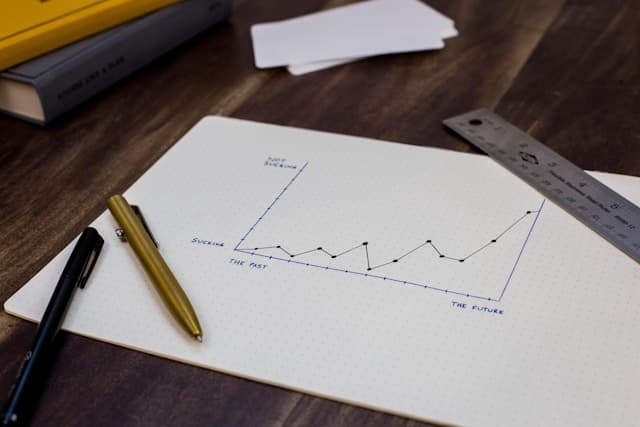
Når flere forstår helheten, sin rolle og hvordan de påvirker andre så vil ineffektiviteter i bedriften i stor grad forsvinne av seg selv. Ansatte har nesten alltid lyst til å gjøre en god jobb og når de forstår hvordan den jobben passer inn i et system så vil de bli istand til å gjøre den bedre. De kan finjustere innsatsen sin slik at de spiller andre gode. De unngår å gjøre feil fordi de forstår hva som forventes. De finner motivasjon i kjedelige oppgaver fordi de vet at de er med på å skape verdi. Jeg tør vedde på at du får et bedre arbeidsmiljø av dette også.
De ineffektivitetene som ikke bare forsvinner vil få nok oppmerksomhet til at de lettere vil bli håndtert av forbedringsprosessene som er innebygget i systemet ditt. Men her må relasjonene komme inn. Kulturen. Ønsket om å si ifra. Ønsket om å bli sagt i fra til. Det er her struktur og kultur bryner seg på hverandre og kan skape magi i gode organisasjoner og bli en destruktiv kraft i dårlige organisasjoner.
Her og i beslutningsprosessen. For hvis du nå har klart å bygge en beslutningsprosess som er passende for din verdikjede og du har ansatte som kommer med velfunderte forslag til beslutninger. Hvis du og dine har forståelse for hvordan ett ledd av organisasjonen påvirker et annet. Ja, da har du et mye bedre beslutningsunderlag enn du ellers ville hatt. Da har du bare deg selv å skylde på når dere tar dårlige beslutninger.
Og det er der mye styrke i. Å ikke kunne skylde på noen andre enn seg selv. Å ikke kunne klage på at forutsetningen ikke lå til grunn, at en ikke var satt opp for suksess. Å ta eierskap og ansvar. Det er kulturskapende og grensesprengende. Det er å legge til rette for å vinne!
Og hvis datagrunnlaget følger verdikjeden så får du raske tilbakemeldinger du kan stole på også. Raske tilbakemeldinger som gir det raskest mulig beskjed om hvorvidt beslutningen har gitt deg den effekten du ville ha.
Samtidig må vi ikke glemme hva vi diskuterte i begynnelsen av denne teksten. Vi skal gjøre alt dette på en sikker måte. Vår påstand er at usikre prosesser fanges opp på samme måte som ineffektive prosesser. Ved å se på dem fra et overordnet perspektiv, ved å forstå hva som skjer før og etter deg og ved å ha en god og effektiv måte å komme med forbedringer på. For vi må ikke glemme at i kravene våre så ligger også krav til helse, miljø og sikkerhet. Og alle prosessene skal bygges på en måte som ivaretar kravene.
Konklusjon
Vi har nå vært igjennom alle bestanddelene av systemet. Vi har sett på prosessene som beskriver hvordan ting gjør, politikkene som er grunnlovene dine og kravene alle prosessene dine må innfri. Vi har diskutert hvordan du smører dette maskineriet, hvordan du bygger det og hvilken verdi du får ut av det.
Det viktigste vi håper du husker er
Uansett hvilken fase bedriften din befinner seg i så er det mye god hjelp i å tenke gjennom alle prosessene dine
Når du har tenkt igjennom dem så får du satt dem i system. Du og dine ansatte ser bedre hva som er målet og hvordan dere skal oppnå det. Dere unngår lettere å gjøre ulovlige ting og drivere bedriften litt tryggere.

Top tip
Begynn med å ta i bruk en styreportal. Det er et godt første skritt på veien mot et digitalt styrerom og et digitalt kompetent og engasjert styre. Selv anbefaler vi Bård - brd.no